 Merken
 I discovered the magic of a proper Turkish cheese board during an unplanned afternoon in Istanbul, sitting at a small neighborhood restaurant where the owner simply set down a wooden platter without fanfare. There were no explanations, just an arrangement of creamy whites, briny olives, and a drizzle of honey that made everything taste like a secret. Years later, I realized that simplicity was the entire point—let the ingredients speak, let the honey do its work, and watch people slow down to actually taste.
My friend Sarah brought this platter to a casual dinner party, and I watched three normally rushed people actually pause, sit down, and linger for an entire hour just eating cheese and talking. There was something about the lack of pressure—no courses, no timing—that made the gathering feel less like dinner and more like an actual moment together.
Ingredients
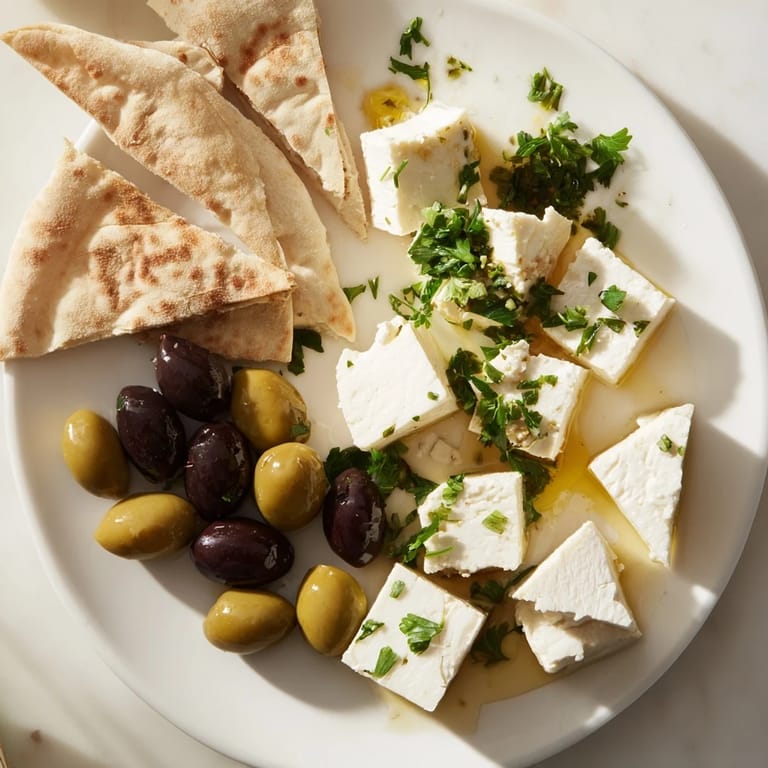
- Feta cheese: Use a good quality block and cube it yourself rather than buying pre-crumbled; the texture stays creamy instead of chalky.
- Beyaz peynir (Turkish white cheese): This mild, slightly salty cheese is essential to the authentic flavor, but Greek feta or fresh mozzarella works in a pinch.
- Brined green olives: The brine is part of the flavor story, so don't rinse them unless they feel too salty on your first taste.
- Brined black olives: These bring earthiness and depth; mix varieties if you can find them.
- Honey: Use something you actually like drizzling—the quality matters more than you'd think.
- Pita bread: Warm it yourself right before serving; the temperature makes it softer and more inviting.
- Fresh dill or parsley: A small handful chopped fresh is worth far more than dried herbs sitting in your cupboard.
- Extra virgin olive oil: A good one will taste like grass clippings and sunlight, which is exactly what you want.
- Crushed red pepper flakes: Optional but highly recommended for anyone who likes a whisper of heat cutting through the richness.
Tired of Takeout? 🥡
Get 10 meals you can make faster than delivery arrives. Seriously.
One email. No spam. Unsubscribe anytime.
Instructions
- Arrange your canvas:
- Place the feta cubes and white cheese slices on your board in clusters rather than a straight line. Leave room for olives to nestle into the gaps—think of it as intentional chaos, not neat rows.
- Settle the olives:
- If your board feels crowded, use small bowls to contain them, which also makes it easier for people to grab without their hands getting briny. If you have space, scatter them directly around the cheeses for visual impact.
- Honey moment:
- Pour honey into a small bowl on the side so guests can control how much they want, or drizzle it directly over a few cheese cubes if you're feeling generous. The warm-cold contrast is part of the appeal.
- Warm the bread:
- Toast pita wedges quickly in a skillet over medium heat, about 30 seconds per side, until they're warm enough to smell amazing but still soft. This step takes five minutes and transforms everything.
- Final flourishes:
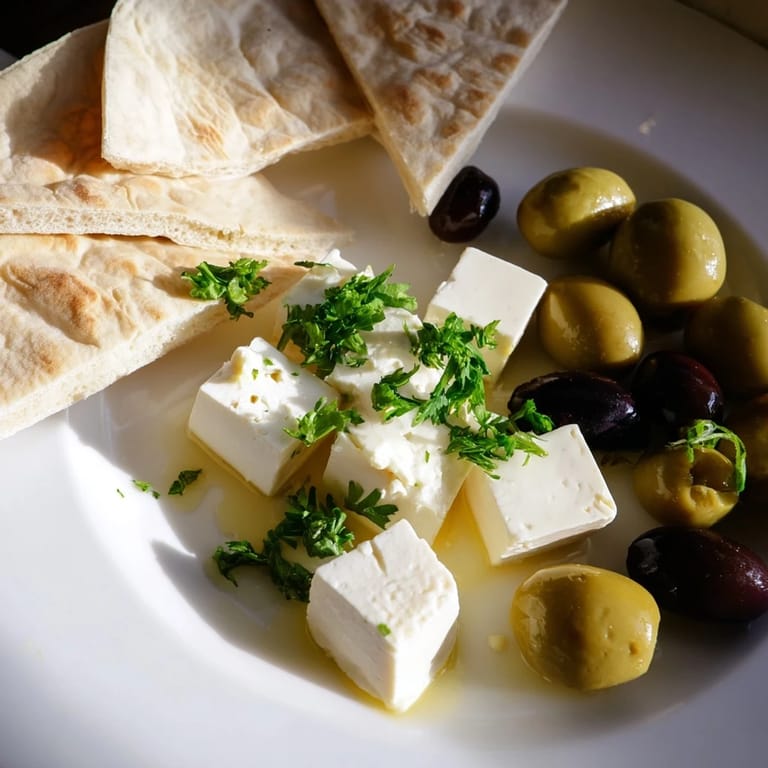
- Scatter fresh herbs across the board, drizzle olive oil in a thin stream, and add red pepper flakes where they'll catch the light. These aren't just garnishes—they're flavor promises.
 Merken
 The first time I fully understood this dish was watching a Turkish grandmother add a tiny pinch of red pepper to her honey, then dip feta into it while explaining that small heat makes sweetness sweeter. It wasn't just about feeding people; it was about creating a conversation between flavors.
Building Your Board
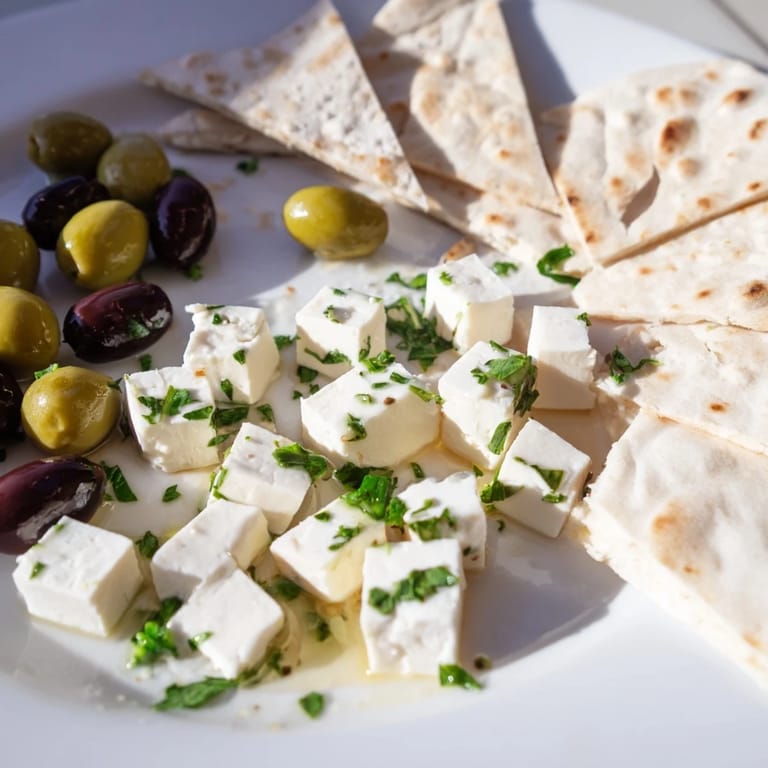
The beauty of a cheese board lives in the arrangement itself—it should look abundant and welcoming without feeling cluttered. Think of color balance: the whites and creams of the cheeses against the deep brined olives create a visual rhythm that makes people want to dive in. I've learned that grouping similar items together actually reads as more elegant than trying to scatter everything evenly. Leave small gaps and pockets so the board feels alive, not staged.
Flavor Pairings That Work
Honey and feta is the foundation, but there's real magic in how the briny olives cut through richness and make you want another bite. The warm pita acts as a neutral canvas that lets each component shine—feta with honey tastes different than feta with olives, even though they're sitting inches apart. Turkish white cheese fills the gaps with its mild, creamy personality, giving people an easier entry point if they're not sure about sharp feta.
Making It Your Own
This isn't a dish that demands rigid adherence; it's a framework for sharing what you love. Add sliced cucumbers for crispness, cherry tomatoes for brightness, or toasted walnuts for crunch if your instinct pulls you that direction. I've seen people add roasted red peppers, sumac-dusted radishes, or even a spoonful of muhammara if they wanted something with more personality. The core stays the same—good cheese, good olives, good honey—but the variations are endless.
- Roasted vegetables like eggplant or peppers add smoky complexity to the board.
- A small bowl of za'atar olive oil becomes a flavor bomb for dipping bread.
- Pomegranate seeds or dried apricots bring sweetness that plays beautifully against saltiness.
 Merken
 This board isn't about impressing anyone—it's about creating a moment where good flavors and good company feel like the same thing. Serve it and then step back to watch people actually slow down.
Häufige Fragen zum Rezept
- → Welche Käsesorten werden verwendet?
Die Platte enthält würzigen Feta und milden beyaz peynir, einen türkischen weißen Käse.
- → Wie werden die Oliven zubereitet?
Grüne und schwarze Oliven sind eingelegt und werden ungekocht serviert, um ihren vollen Geschmack zu bewahren.
- → Kann ich andere Brotsorten benutzen?
Warmes Fladenbrot wird empfohlen, jedoch eignen sich auch andere weiche Brote oder Crackers.
- → Wie lasse ich die Aromen besser zur Geltung kommen?
Das Honig-Dressing kann direkt über den Käse geträufelt werden, um süße und salzige Elemente zu kombinieren.
- → Welche Kräuter passen zur Platte?
Frischer Dill oder Petersilie verleihen zusätzliche Frische und unterstreichen die mediterranen Aromen.